
The two fundamental principles of the new Foundation Degree from the Centre for Children’s Workforce (CCW) are that it has to work for everyone, and have an immediate and tangible impact on their day to day practice.
In this blog, CCW Director of Education Beck Crowhurst explains how this degree bridges the gaps between the multifaceted children’s workforce.
By Beck Crowhurst

A loose and baggy monster
The children’s workforce is a loose and baggy monster.
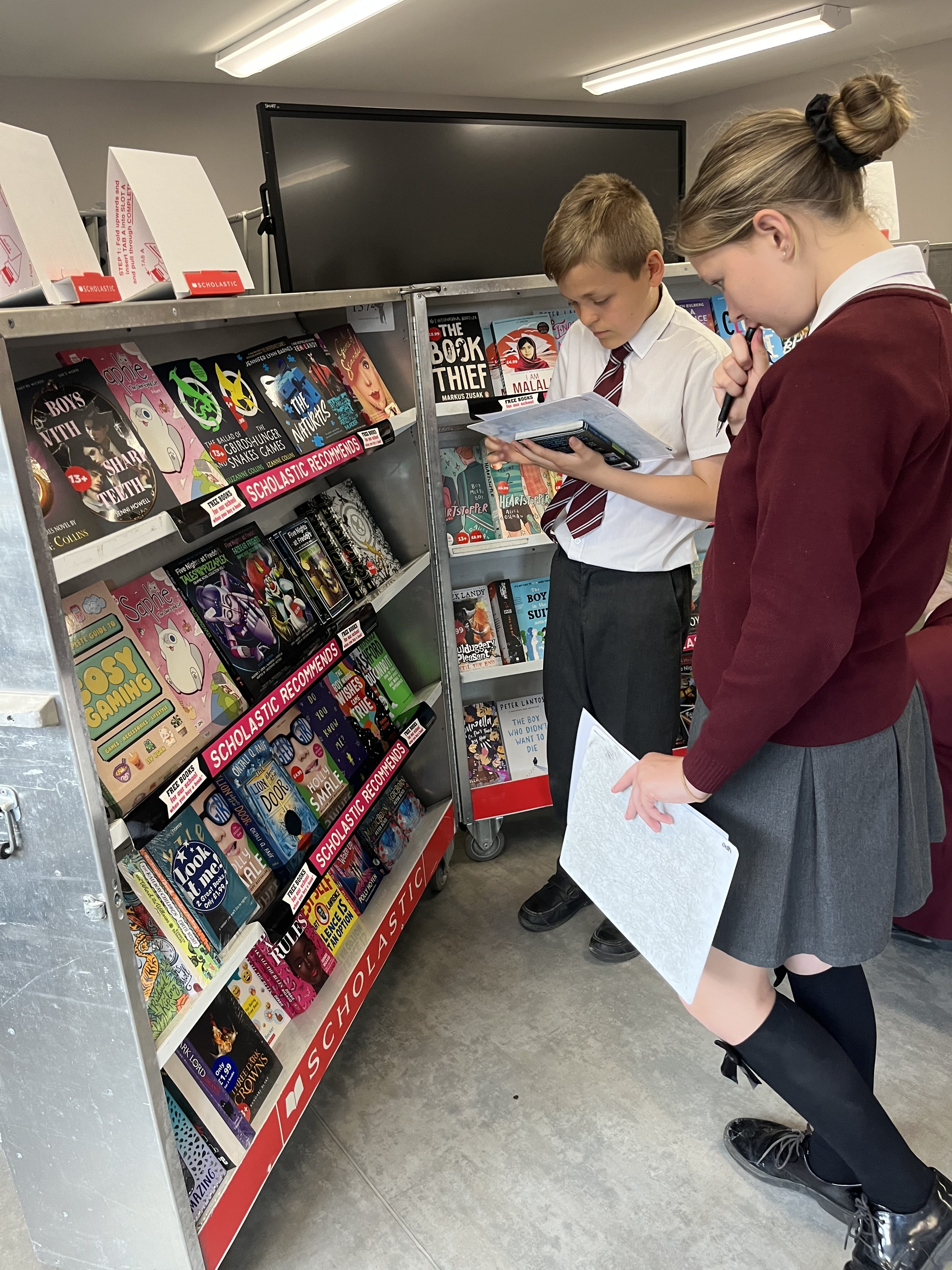
My son is almost five, and this week alone, he has had meaningful interactions with his classroom teacher, his phonics teacher, teaching assistants, multiple rugby coaches, a volunteer in Lego club and a judo sensei. For some children – particularly those in moments of challenge – this number of involved adults grows expansively, and critically, to include social workers, youth justice teams or pastoral mentors, amongst innumerable others.
Pinning down exactly who makes up this workforce is far from straightforward, which is why launching a Foundation Degree that supports all these professionals is an ambitious and exciting challenge. Our new Foundation Degree is designed for the wide network of practitioners working with children already, but without an undergraduate degree.
A degree working for and with children
We have spent the last six months designing the curriculum alongside our partners at UEL, speaking to colleagues from across a range of sectors, and looking at best practice within HE. As this degree isn’t just for one type of worker, whether a participant is in early years, social care, or residential homes, the curriculum needs to provide a common body of knowledge. We have identified fundamental themes that cross-cut the range of professions and ensured that they are explored in a broad and foundational way. These include topics that you would expect to see in such a degree – safeguarding, child and adolescent development, and the legal frameworks and policies that govern these interrelated sectors.
However, as we are creating a holistic degree, we also have included a range of more ambitious, thought-provoking areas of study. Alongside the aspects that were deemed critical for anyone working within the children’s workforce, we have included dedicated time to explore aspects that many professionals working with children are not aware of until they learn it ‘on the job’. For example, the impact of generational trauma, the power of awe and wonder, the importance of rites of passage, and the complex interplay of socio-economic background, gender and race on a child’s identity.
Adding empathy
But even more than that, we have been able to build in opportunities for learning about other roles within this workforce. We want our participants to finish the course with role empathy – the ability to understand the unique challenges faced by colleagues in different sectors – that cuts across the workforce. This will not only support their own career development, but also build networks of like-minded professionals for the future.
Locally rooted
And this is the final piece of the puzzle. As the degree will be taught in locally rooted places, across the length of the country, we are aiming to have multiple clustered networks of professionals, working across the sectors, collaborating and learning together. As such, we have created opportunities for our locally based lecturers to feed into the curriculum – to explore with their participants how SEND arrangements may look different in Plymouth or Leicester, or how the different communities of urban Leeds and coastal Somerset will create different assets and challenges for families and their children.
The Foundation Degree is the first two thirds of an undergraduate degree. This is a crucial step given the extent to which a degree can unlock someone’s career trajectory and possible impact. But it is so much more than that. It has been thoughtfully created to be suitable for a wide range of possible participants. We are building a workforce that has the foundational knowledge to equip them to be up for the complexity of working within that sprawling behemoth.
Who is the Foundation Degree for?
We expect many of our participants to have been out of formal education for a while, and for the majority to hold full-time child-facing roles.
Therefore, when designing this programme, we wanted to bridge the ‘traditional’ academic theory of a university course, with hands-on application. We want our participants and their colleagues to see the impact of this course on their day-to-day practice immediately, and we want to make it an option that is possible to achieve alongside full-time work and busy lives.
We want people with experience working with children
We know that many people in the children’s workforce might feel ‘imposter syndrome’ when they think about university. But the experience that they already have – in the classroom, the nursery or the youth centre – are a huge form of expertise. We don’t want to teach participants how to work; we want to provide the academic language to describe the incredible work they’re already doing, and explore the theories that underpin this.
We know that for practitioners to truly flourish in a long-term, sustainable career, they require more than just a certificate – they require a space for critical reflection and engagement with what it means to be a child or young person in 21st century Britain, and their role in supporting those journeys. We will be supporting participants to explore the challenges facing the children that they are working with right now: digital safety in the world of AI algorithms, the post-pandemic social gap, and mental-health resilience.
This principle became a catalyst for our curriculum. Designed not just to teach, but to transform, this curriculum serves as a robust framework for those dedicated to the development, protection, and empowerment of children. The children that they work with right now.
The workplace as a classroom
The Foundation Degree is unusual because it values the workplace as a classroom. We have filled the course with opportunities to assess our participants through their daily interactions with children. We know that degrees can often be associated with written essays, but we also know that the day to day job of most people within the children’s workforce doesn’t rely on essay writing skills. It relies on the ability to differentiate communication styles, demonstrate leadership, speak and present confidently, and plan for a range of audiences and purposes.
A different type of degree
We have built in assessments that won’t feel like assessments – they will feel like preparation for a future role, offering the opportunity to learn the theory and then apply it to real life situations. A traditional degree might have asked for a 3,000 word essay on the history of attachment theory, but we will be asking for a ‘Settling-In’ guide for a specific foster family based on attachment principles. A traditional degree might have asked for a presentation in a university lecture hall to peers, but we will be asking for a briefing for current colleagues on a new piece of safeguarding protocol. A traditional degree might have asked for an exam on child development milestones, but we will be asking for an observation-based report that identifies a developmental gap in a specific child and proposes a play-based intervention.
As a result of this, the ‘workplace-as-a-classroom’ isn’t just convenient for the participant, it’s also an injection of high-level, up-to-date training for the whole setting. When one person from a setting joins the course, there is a space for the whole team’s practice to level up because the assignments are happening in the staffroom, on the playground, and through relationships.
By building a truly ambitious and rigorous curriculum, we are investing in the academic depth of the workforce. This isn’t about adding to a CV, it’s about improving the life chances of the children that they serve.
To learn more, have a look at the Centre for Children’s Workforce’s Foundation Degree.